3 November 2026 | Aviva Stadium, Dublin
Patient Solutions 2026 delivers a focused, pathway-led programme designed around the real patient journey. Across multiple stages, sessions follow care from prevention and early intervention through acute treatment, discharge and ongoing community support, ensuring discussion reflects the realities of service delivery in Ireland today.
The programme is structured to encourage meaningful dialogue, cross-sector collaboration and practical learning. Sessions are designed to provide insight that can be applied in practice, supporting measurable improvement in patient experience and outcomes.
The Centre Stage convenes national healthcare leaders, policymakers, clinicians and patient advocates to examine how reform, funding priorities and service redesign must align around the patient journey.These strategic discussions focus on translating ambition into delivery, addressing system pressures and strengthening coordination across prevention, acute care and community services.
Explore the digital innovations reshaping patient care across the pathway. This stage brings together healthcare professionals, policymakers, innovators and patients to examine how AI, virtual wards, interoperable health records, remote monitoring and telemedicine are improving decision-making, safety and continuity of care.
The Patient Zone offers a series of interactive workshops and group discussions focused on the issues that matter most to patients, carers and patient organisations. Sessions will explore practical approaches to advocacy, financial and social support, whole-person care and patient involvement in research. Designed for active participation, the Zone brings patients, healthcare professionals and partner organisations together to share experience, exchange ideas and develop practical solutions.
Our programme will be announced soon. Be part of the conversation shaping the future of Irish healthcare.
9:10 - 9:15

Editors’ Welcome Remarks
Terence Cosgrave , Editor, Irish Medical Times
9:15 - 9:45
Keynote 1: National Reform Update: What Is Changing in Irish Healthcare Now?
This keynote will provide a focused update on the legislative, regulatory and structural reforms currently shaping Irish healthcare. It will outline key policy changes, governance developments and implementation milestones that will influence how services are delivered in the coming year.
This session provides a clear overview of the formal changes underway and how government believes these reforms will improve patient access, outcomes and overall experience of care.
Derek Tierney
, Secretary General,
Department of Health
9:45 - 10:30
Panel 2: From Reform to Reality Progress, Gaps and Patient Expectations
9:45 - 10:30
Healthcare reform sets ambition. Delivery tests credibility. This panel examines what has genuinely shifted from policy to practice, where patients are already seeing improvements, and where measurable progress can be demonstrated.
Panellists will explore the gap that can emerge between patient expectations and system capacity and discuss how ambition can be maintained while communicating honestly about constraints. The focus is on accountability, transparency and ensuring reform translates into meaningful change for patients.
Loretto Grogan, National Chief Nursing and Midwifery Information Officer, HSE
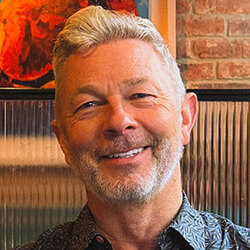
Martin Sweeney, Secretary and Patient Advocate, UCAN Ireland
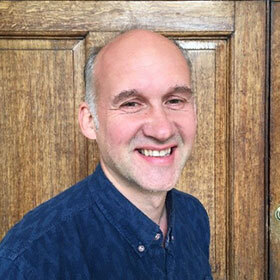
Steve Thomas,
Professor of Health Policy,
Trinity College Dublin
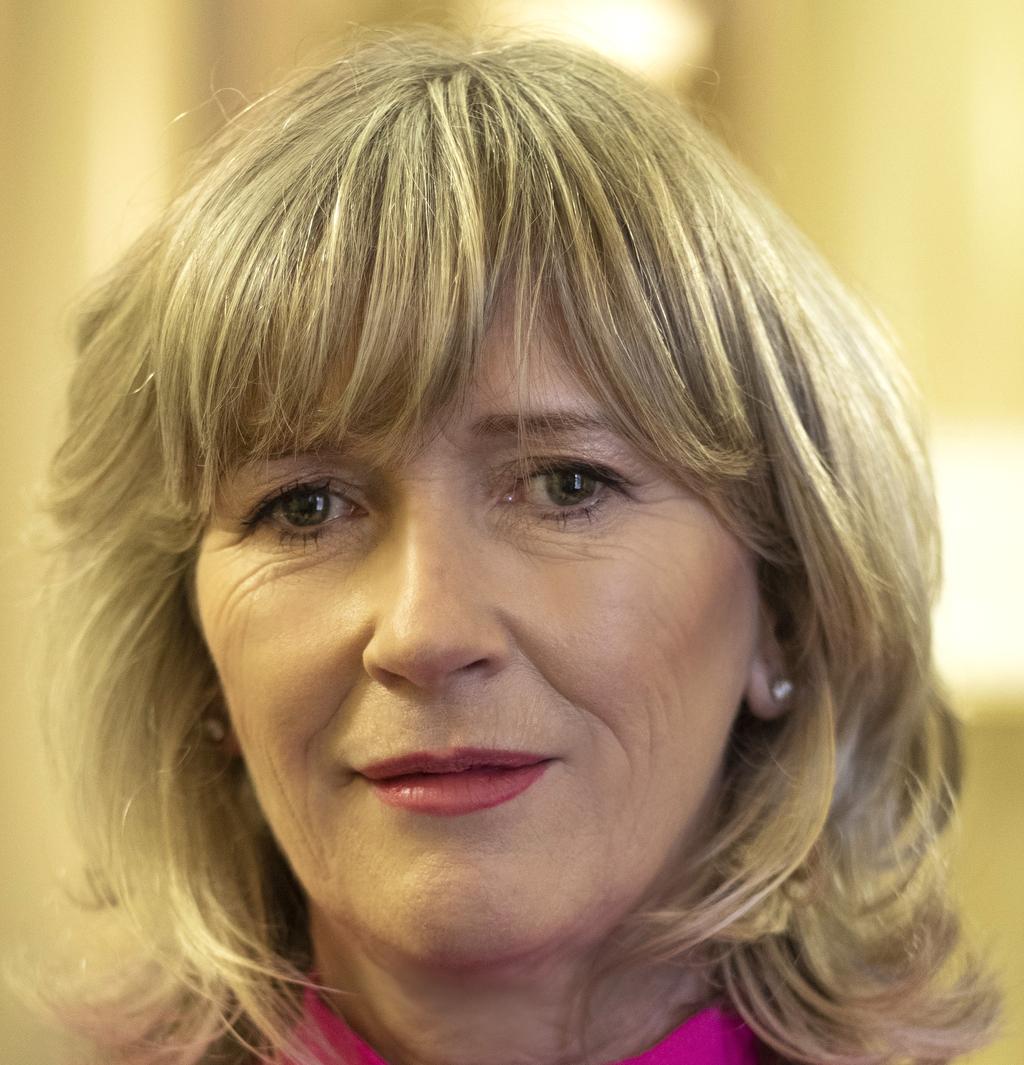
Professor Mary Horgan
, Chief Medical Officer,
Department of Health

Panel 1: Co-Designing Digital Health: Building Technology With Patients, Not Around Them
9:45 - 10:30
Digital health works best when it is shaped by those who use it. This panel will explore how clinicians, patients and technology partners can collaborate to design tools that are practical, trusted and clinically effective.
Panellists will discuss the risks of vendor-led development, highlight successful co-design examples, and examine how procurement and innovation can be better aligned to support adoption and trust.
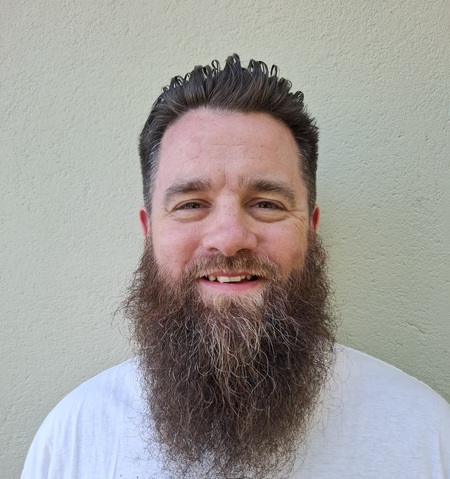
Edward Harte, Digital Transformation Officer, Workstream Project Manager – Change & Communications, HSE
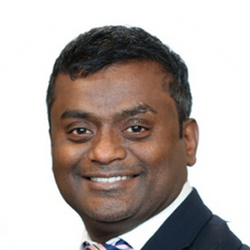
Bala Krishnan , Chief Information Officer & Member of Executive Management Team, Health Information and Quality Authority (HIQA)
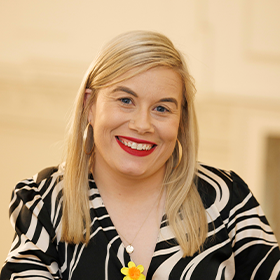
Dr. Claire Kilty Ph.D , Head of Research, Irish Cancer Society
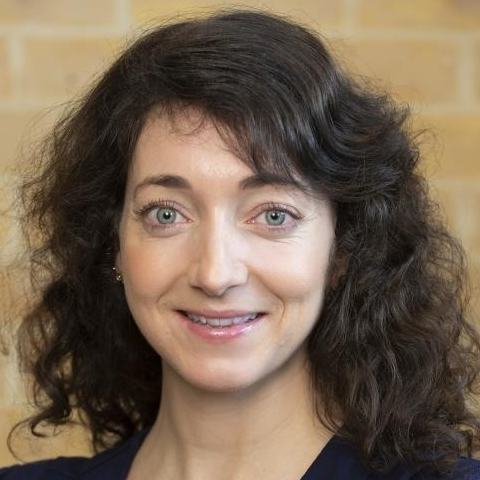
Dr Elaine Toomey
, Lecturer in Evidence Based Healthcare,
University of Galway
10:30 - 11:00
Networking Break
11:00 - 11:45
Panel 3: Prevention & Risk Reduction Reducing Risk Before Illness Develops
11:00 - 11:45
Prevention is about lowering population risk and reducing the likelihood of disease before it occurs. This panel will focus on strengthening screening participation, tackling hypertension and stroke risk, and delivering targeted outreach in communities where uptake remains low.
Panellists will explore how behaviour change can be realistically supported, how prevention can be embedded into primary care and community settings, and what measurable impact is being seen. The emphasis is on reducing risk factors, improving population health and easing long-term system pressure.
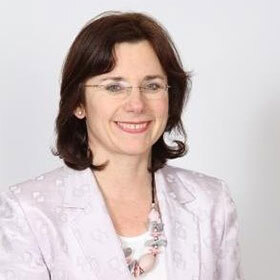
Dr. Andrée Rochfort, Director of Quality Improvement & Doctors’ Health Programme, Irish College of General Practitioners
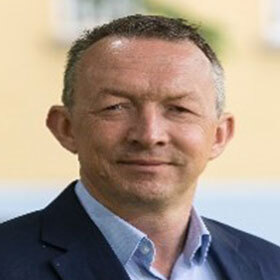
Dr. Colm Henry , Chief Clinical Officer, HSE

Brendan Donlon , Co-Chair and a founding member, Bowel Cancer Ireland

Dr Robert Kelly,
Consultant Cardiologist and Board-Certified Lifestyle Medicine Physician,
Beacon Hospital
Invisible Patients, Invisible Data: Co-Designing a Safer, Connected Digital Pathway for Complex Care at Home.
11:00 – 11:25
A Home Artificial Nutrition Case Study
This session will explore how patients receiving complex treatment at home can become less visible when there is no consistent national system for tracking their care and outcomes. It will draw on patient and carer experience, supported by clinical evidence from Dr Vikrant Parihar, and examine gaps in information sharing between hospitals, community services, providers, patients and carers.
It will also look at the patient-safety risks created by fragmented monitoring of infections, incidents, equipment failures, supply issues and escalation pathways.
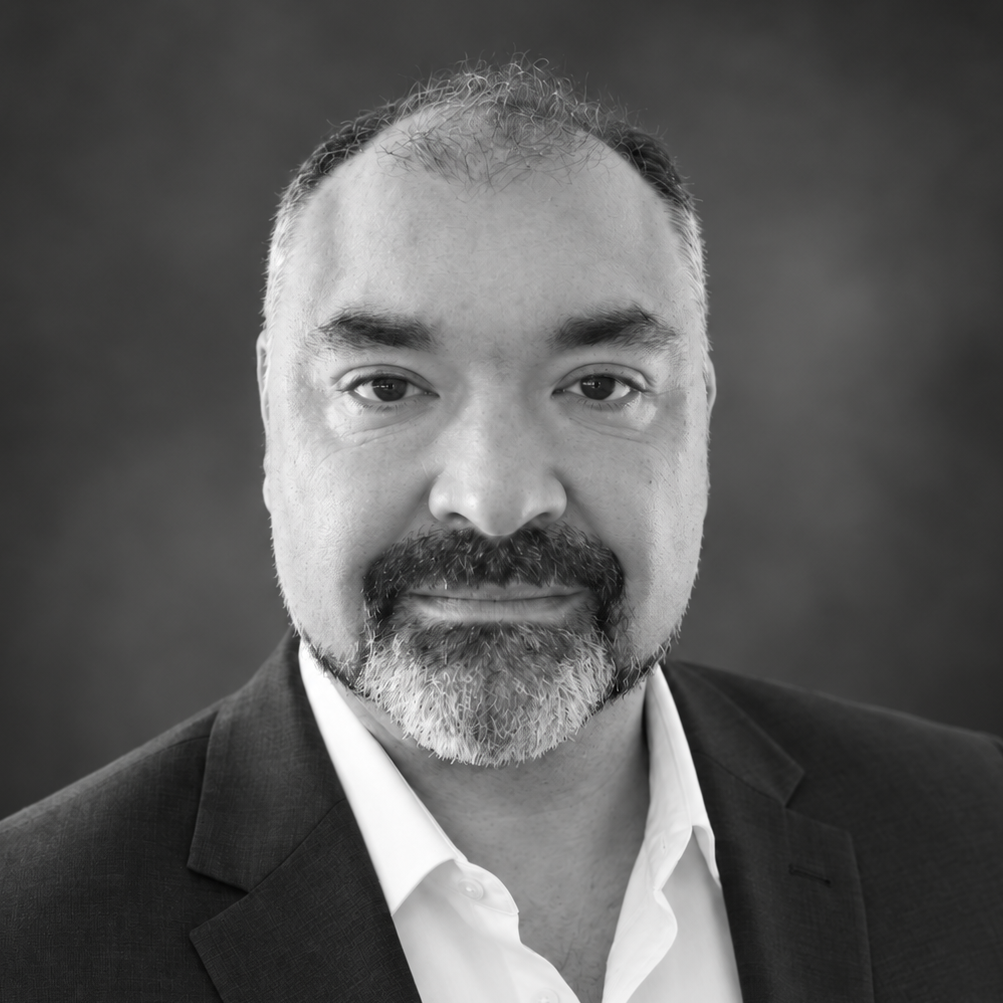
Danny Sweeney McGinley, CEO and Co-Founder, The Independent Home Nutrition & Patient Care Alliance Ireland (IHNAPA)
Workshop: From Voice to Influence - Building Partnerships That Change Outcomes
11:00 - 12:30
Being heard is one thing. Being involved in decisions that affect patients is another. This hands-on session, designed around feedback from patient organisations across Ireland, tackles the real challenges of engaging with policymakers, health services, and industry. Through short talks, peer discussion, and a practical toolkit, this workshop will equip you with concrete approaches to strengthen your advocacy and make your partnerships more productive.

11:45 - 12:30
Panel 4: Early Detection & Diagnostics From Suspicion to Diagnosis: Making Timely Detection the Norm
11:45 - 12:30
Timely diagnosis remains a critical determinant of patient outcomes. This panel will explore the full diagnostic pathway, from initial clinical suspicion through to confirmed diagnosis, and the factors that influence speed, accuracy and equity. While imaging and laboratory capacity remain essential, the discussion will also examine broader system challenges, including diagnostic pathways, clinical decision-making, and the complexity of identifying less common, non-specific, invisible or fluctuating conditions.
Panellists will consider where delays and missed diagnoses occur, how pathways can be strengthened across primary and specialist care, and the role of AI and digital tools in supporting earlier and more accurate detection. The focus is on how to deliver timely, consistent and patient-centred diagnosis across Ireland.
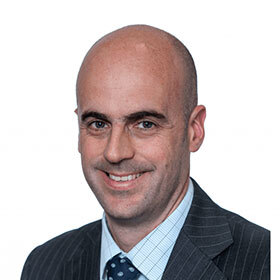
Dr Niall Sheehy , Consultant Radiologist, St James’s Hospital and the Beacon Hospital
Prof Sally Anne Lynch , Consultant in Clinical Genetics, University College Dublin
Declan Watson , Board Member, Multiple Myeloma Ireland
Case study:Digital Workforce, Safer Care: Using Technology to Strengthen Temporary Healthcare Staffing
11:30 - 11:55
This session Healthcare transformation depends not only on new models of care, but on having the right workforce available to deliver them, including safe and effective use of temporary and agency staff. This case study will explore how digital workforce technology can improve the management and deployment of temporary healthcare staff, providing greater visibility of availability, skills, compliance and staffing gaps across healthcare and care services.
Using a real-world implementation, the session will examine how automation can reduce administrative burden, improve shift fulfilment and communication with temporary staff, and strengthen checks around professional registration, training and compliance. It will also consider how better workforce data can help identify fatigue, working-time risks and over-reliance on individuals working across multiple organisations. The focus will be on what changed in practice and how smarter management of the temporary workforce can support safer staffing, greater resilience and continuity of patient care. .
A representative of
Panther Software
Case study: Connected Care EHR and Shared Records in Action
12:00 – 12:30
This session will explore the real-world implementation of Electronic Health Records and shared care records within an Irish healthcare setting. It will examine workflow redesign, integration challenges and the practical realities of interoperability across hospital, primary care and community services. The focus will be on what measurably changed following deployment, including improvements in information access, care coordination and patient experience. Attendees will gain insight into what worked, what proved difficult and what others should consider when planning connected digital systems.
Closed
11:45 – 12:30
12:30 – 13:30
Networking Lunch & Patient Village
The Patient Village is a dedicated space within the exhibition designed to put patient voices at the heart of healthcare innovation. Hear firsthand lived experiences from patients, carers and their advocates and their hopes for the future of Irish healthcare.
13:30 - 13:45
Keynote 2: Right Care, Right Place, Right Time: What It Means for Patients
13:30 – 13:45
Damien McCallion will explore how Ireland’s health reform is shifting care away from fragmented, hospital-led services towards more integrated care, earlier intervention and treatment closer to home. He will look at what this transformation means for access, waiting times, patient pathways and the experience of receiving care across Ireland.
Damien McCallion
, Chief Technology and Transformation Officer & Deputy CEO,
HSE
Closed
13:30 – 13:45
Closed
13:30 – 13:45
13:45 - 15:15
Access to Treatment & Timely Care Reducing Delays in Medicines, Services and Ongoing Care
13:45 – 14:30
Timely and equitable access to treatment, services and ongoing care is critical, whether people are newly diagnosed, managing a long-term condition, waiting for specialist input or requiring continued support over time. This panel will examine reimbursement timelines for new therapies, capacity pressures across acute, specialist and community services, coordination between public and private provision, and the growing role of community pharmacy in improving access to medicines and care.
Panellists will explore how public–private dynamics, reimbursement decisions and alternative access points such as pharmacy-based care affect patient access, perceptions of fairness and trust in the system. The discussion will focus on practical solutions to improve transparency, reduce delays, relieve pressure on overstretched services and ensure that access is based on need rather than circumstance.
Miriam Staunton, Co-Chair / Patient Advocate, UCAN Ireland
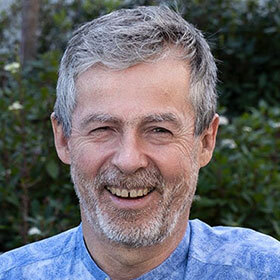
Dr Austin O’Carroll, GP, Safetynet Primary Care
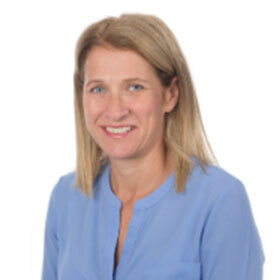
Clare Fitzell, Secretary General, Irish Pharmacy Union
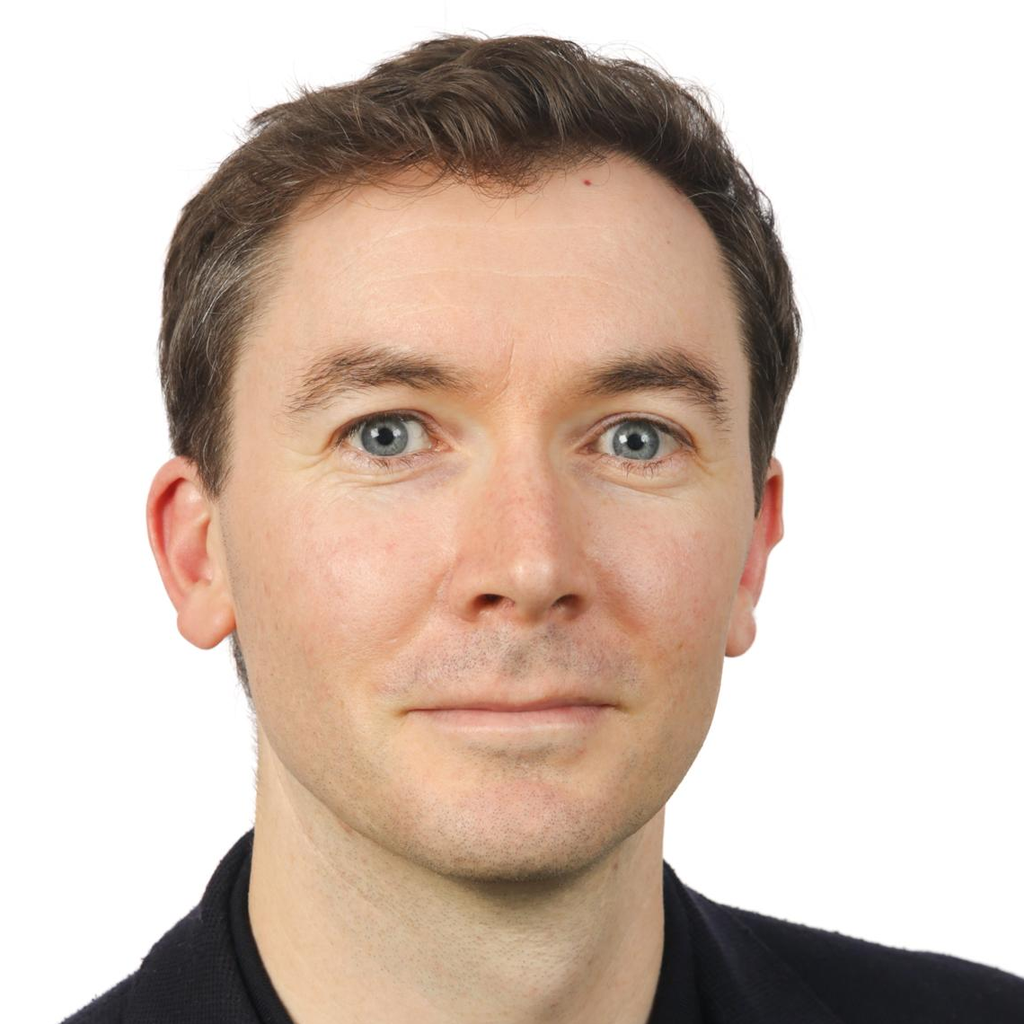
Dr Ronan Mahon, Lecturer in Economics and Programme Director, MSc in Health Economics, University of Galway
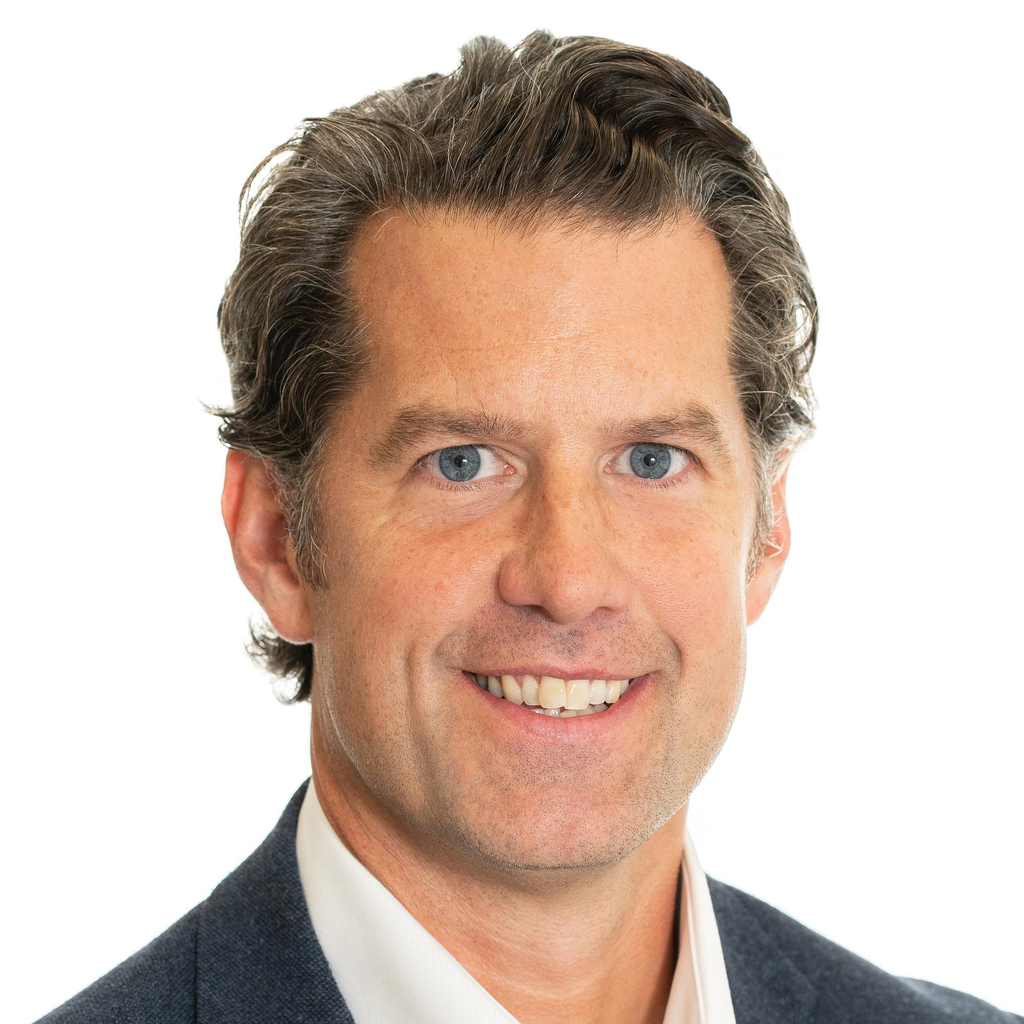
Shane Ryan
, CEO,
Irish Pharmaceutical Healthcare Association
Panel 6: Care Beyond the Hospital Delivering Integrated Community Care
14:30 - 15:15
As healthcare shifts from hospital-centred models to community-based delivery, integration becomes essential. This panel will explore how hospital-at-home programmes, chronic disease management pathways, palliative care provision and strengthened primary care integration are reshaping patient experience. long-term management, independence and quality of life.
Panellists will also examine the role of disability services and palliative care within community reform, alongside the importance of consistent referral pathways to ensure patients receive timely, coordinated support. The discussion will focus on practical examples of service redesign that reduce hospital dependency while maintaining safety, quality and accountability.

Rachel Bothwell, Founder & Director, GP Practice Ally
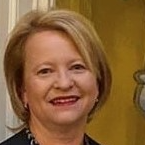
Tanya King , CEO, Peamount
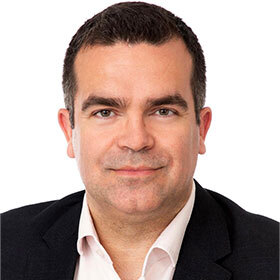
Dr David Moore , Consultant in Anaesthesiology and Pain Medicine, Beaumont Hospital Dublin
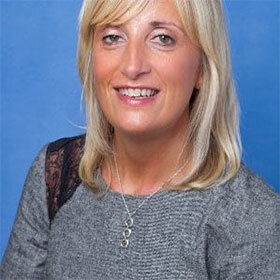
Sonja McIlfatrick , Professor of Nursing & Palliative Care, Ulster University / AIIHPC
Case study: Enhancing Patient Experience with Remote Monitoring & Digital Chronic Care
13:45 – 14:10
This session will explore how remote monitoring and digitally supported chronic care models are being implemented in practice. Using examples such as COPD self-management and hospital-at-home monitoring, the discussion will examine how real-time data enables earlier intervention and safer care outside hospital settings.
The focus will be on measurable impact, including reduced admissions, improved symptom control and greater patient confidence in managing long-term conditions.
Panel 2: Precision Medicine in Practice From Genomics to Personalised Care
14:15 – 15:00
This panel will explore how genomic testing, biomarker-driven treatment and personalised therapies are being embedded into Irish healthcare. It will address capacity challenges in genetic counselling, inherited cancer pathways, cascade screening and the integration of precision diagnostics into routine care.
Discussion would also consider equity of access, workforce limitations and how AI and digital laboratory systems are supporting precision medicine delivery.
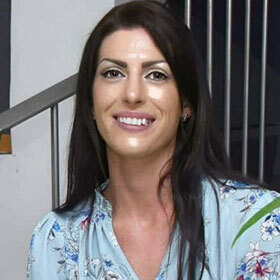
Roberta Horgan, Patient Advocate and Administrator, Lynch Syndrome Ireland
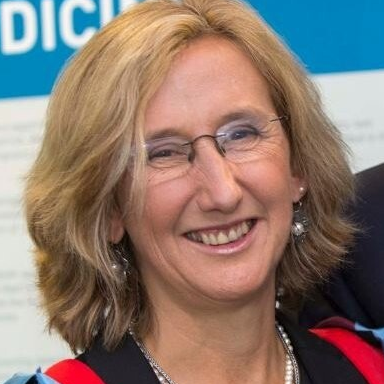
Prof Orla Hardiman, Professor of Neurology/Head of Academic, Clinical Medicine, Trinity College Dublin
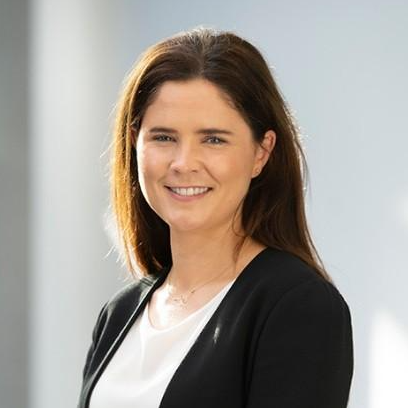
Prof Siobhan Glavey
, RCSI Chair, Professor of Pathology, Consultant Haematologist,
Beaumont Hospital.
Workshop: Financial & Social Support After Serious Illness or Diagnosis Bridging the Gap to Stability and Independence
13:45 – 14:25
Serious illness often brings financial strain, disruption to work and lasting changes to daily life. This hands-on workshop will explore practical approaches to helping people beyond clinical care, including access to financial assistance, return-to-work pathways where appropriate, employment advice, rehabilitation, adaptations and hardship support.
The session will identify collaborative approaches involving charities, clinicians, employers, patient organisations and industry, with a focus on realistic, responsible and scalable solutions that improve quality of life, promote independent living and address ongoing care needs, whether people are returning to work, adapting to new circumstances or living with long-term impairment.
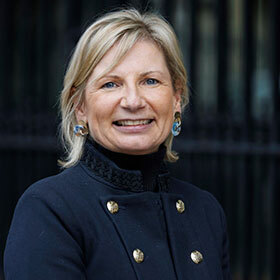
Liz Yeates , CEO, Marie Keating Foundation
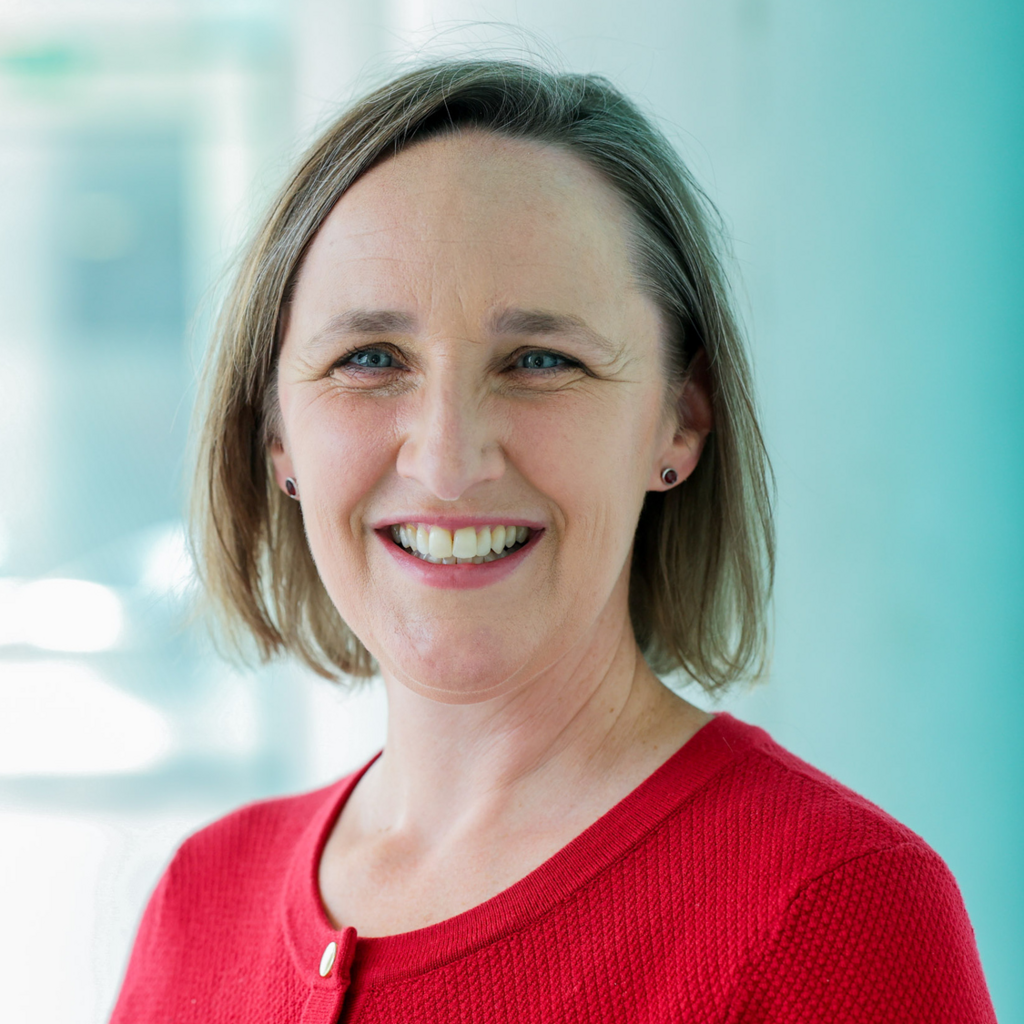
Amy Nolan , CEO, ARC
Group Discussion: Caring for the Whole Person: A Biopsychosocial Approach to Health and Care
14:30 – 15:10
This interactive discussion will explore how biological, psychological and social factors shape people’s experiences and outcomes across the patient journey, including the transition from paediatric to adult services, diagnosis, treatment, adaptation and long-term management.
While healthcare often focuses on clinical outcomes, emotional wellbeing, communication, social context and practical support can be just as important to quality of life and engagement with care. Bringing together patient voices and healthcare professionals, the session will explore where current approaches fall short and how more holistic, person-centred care can be delivered in practice.

Aoife McNamara, Head of Education and Engagement, Irish Cancer Society
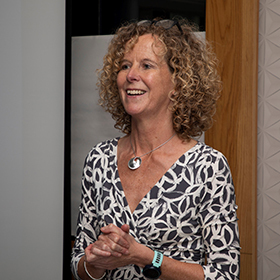
Eithne Walsh, CEO, Féach
Roundtable from Consulted to Co-Creator - Embedding Patient and Public Partnership across Irish Healthcare.
13:45 – 15:15
This invitation-only roundtable will bring together patient advocates, clinicians, researchers, system leaders and policymakers - including representation from Ignite leadership - for a collaborative discussion on how to recognise, strengthen and build on patient and public partnership across Irish healthcare.
Designed around co-creation, shared learning and partnership, the discussion will draw on expertise already established across a range of disease areas. Participants will share practical examples and mini case studies, consider what best practice can be adapted or scaled, and identify the key priorities and strategic opportunities that should be advanced together to maximise future impact.
(Invitation only – findings will be shared in a post event report)
GSK is a conference and roundtable sponsor and have had no influence over the agenda or selection of speakers.
Sponsored by GSK.
15:15 - 16:00
Panel 7: Living With and Beyond Illness Rehabilitation, Adaptation & Long-Term Support
15:15 - 16:00
Support does not end at discharge, diagnosis or after a course of treatment. This panel will focus on rehabilitation pathways, post-discharge coordination and the clinical, community and social supports required to help people maintain independence, adapt to changing needs and improve quality of life.
Panellists will explore multidisciplinary rehabilitation, psychological support, structured follow-up, long-term condition management and the integration of services across hospital and community settings. The discussion will centre on how to ensure ongoing needs are planned for, coordinated and sustained, rather than fragmented or reactive.
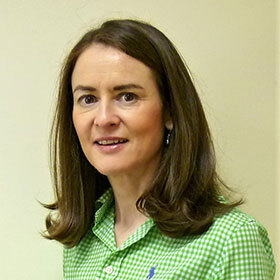
Dr Éimear Smith, Consultant in Rehabilitation Medicine, National Rehabilitation Hospital & Mater Hospital
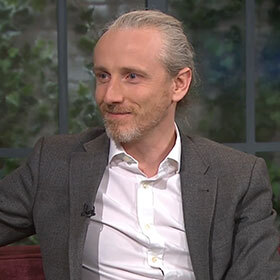
Dr John Francis Leader, Psychologist, Psychotherapist, Cognitive Scientist, University College Dublin
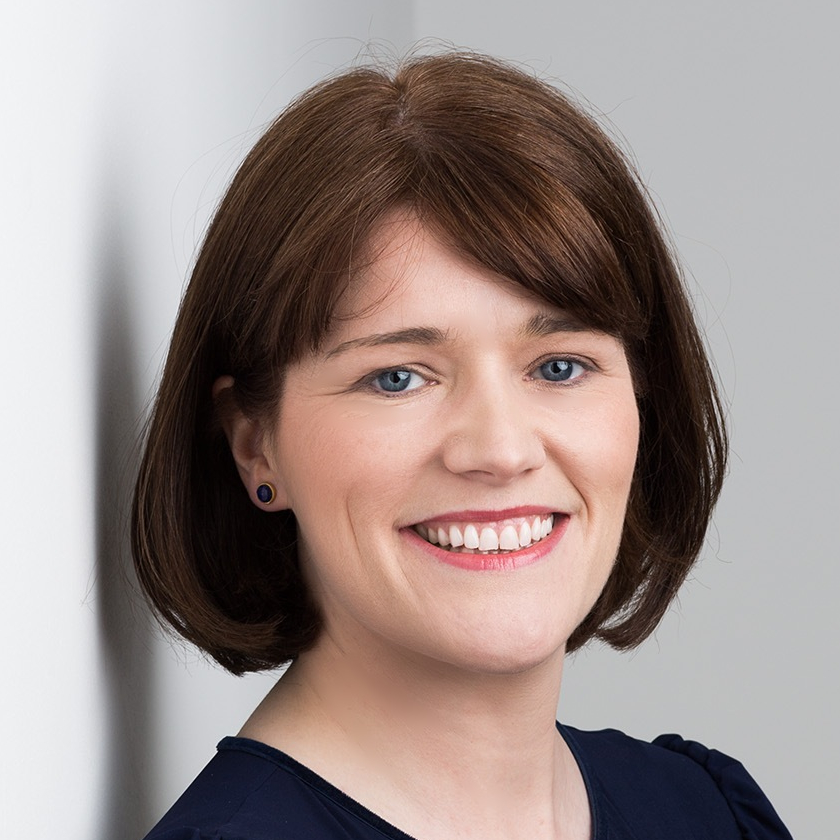
Prof. Karen Ryan,
UCD Full Clinical Professor; Consultant in Palliative Medicine,
St Francis Hospice and Mater Misericordiae University Hospital Dublin.
Closed
15:15 - 16:00
Workshop: Strengthening Patient and Public Involvement in Research From Principle to Practice
15:15 - 16:00
Patient and Public Involvement, PPI, is increasingly recognised as essential to high-quality health research. This workshop will explore how to embed meaningful PPI in research design, delivery and dissemination, ensuring research reflects patients’ real-life needs after diagnosis and moves beyond tokenistic involvement.
Drawing on examples such as the Health Research Board’s PPI in Research Small Grant Scheme, the session will examine how researchers and patient partners can collaborate effectively, support innovative practice and build sustainable involvement structures. It will also consider how research design can better account for factors that shape patient outcomes, including sex and gender, lived experience and psychosocial needs.
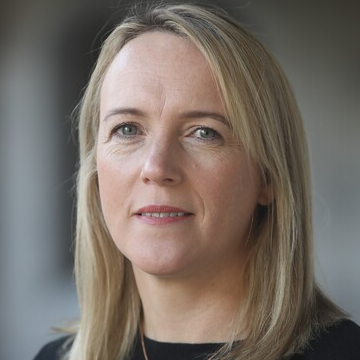
Dr Michelle Roche , Associate Professor in Physiology and Co-Director of the Centre for Pain Research, University of Galway
Dr Anne Cody , Head of Investigator-Led Grants, Research Careers and Enablers, Health Research Board (HRB)
16:00
Editors’ Closing Remarks
16:00
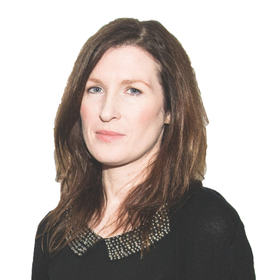
Caroline McDermott, Editor, MIMS Ireland